Strength
Tall, with a steady head
Head, shoulders and hips stack up in one line, with a slight lean from the ankles. Your head stays at the same height through frames 3 to 9.
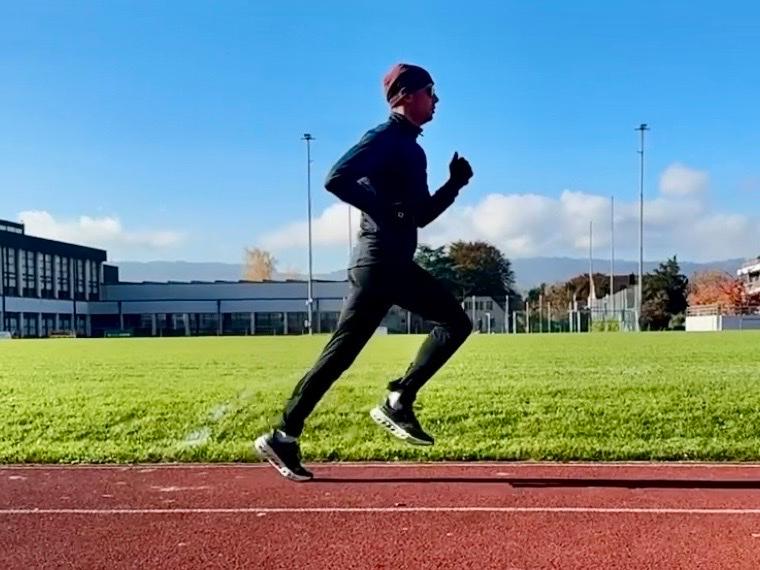
Training for a half marathon or a triathlon? Film 15 seconds of running and see what a coach would fix first, with the frame that shows it and a drill to fix it.
Filming tip: Film from the side, phone at hip height, 3 to 5 m away, camera still. A treadmill is ideal. 10 to 20 seconds of steady running.
Free first look · No sign-up · Your video stays on your phone
Why form matters
Your fitness took months. A foot that brakes or a stride that bounces costs you a little on each of the roughly 20,000 steps of a half marathon. How you move, you can start changing this week.
Bouncing up and down, or braking with a foot that lands far in front of you, burns energy that doesn't move you forward. Waste less on every step and you have more left for the last kilometres.
Form falls apart when your legs are tired, which in a triathlon is exactly when you start running. That's the stride worth checking and training.
Some patterns, like overstriding, are often linked to knee and shin trouble. Catch them early, so a niggle doesn't cost you weeks of training or your race.
10 to 20 seconds from the side. A friend or a steady shelf does the job.
Your video stays on your phone. Only a few still frames are analysed.
What you do well, what to fix first, and a drill for each fix.
Free
A first look at your biggest strength, with the frame that shows it.
Membership

Tria
Your AI running coach
Your posture is a real strength: tall, with a steady head. The first thing I'd work on is your hands, so your shoulders stay relaxed.
Head, shoulders and hips stack up in one line, with a slight lean from the ankles. Your head stays at the same height through frames 3 to 9.
In frame 3 your front hand is clenched into a fist and comes up to your chest. That tightens your forearm and shoulders and wastes energy.
Your drill
Standing arm swing
3 × 30 s
Stand tall with your elbows at roughly a right angle. Swing your arms loosely forward and back, hands slightly open as if holding a raw egg. Keep your hands below chest height.
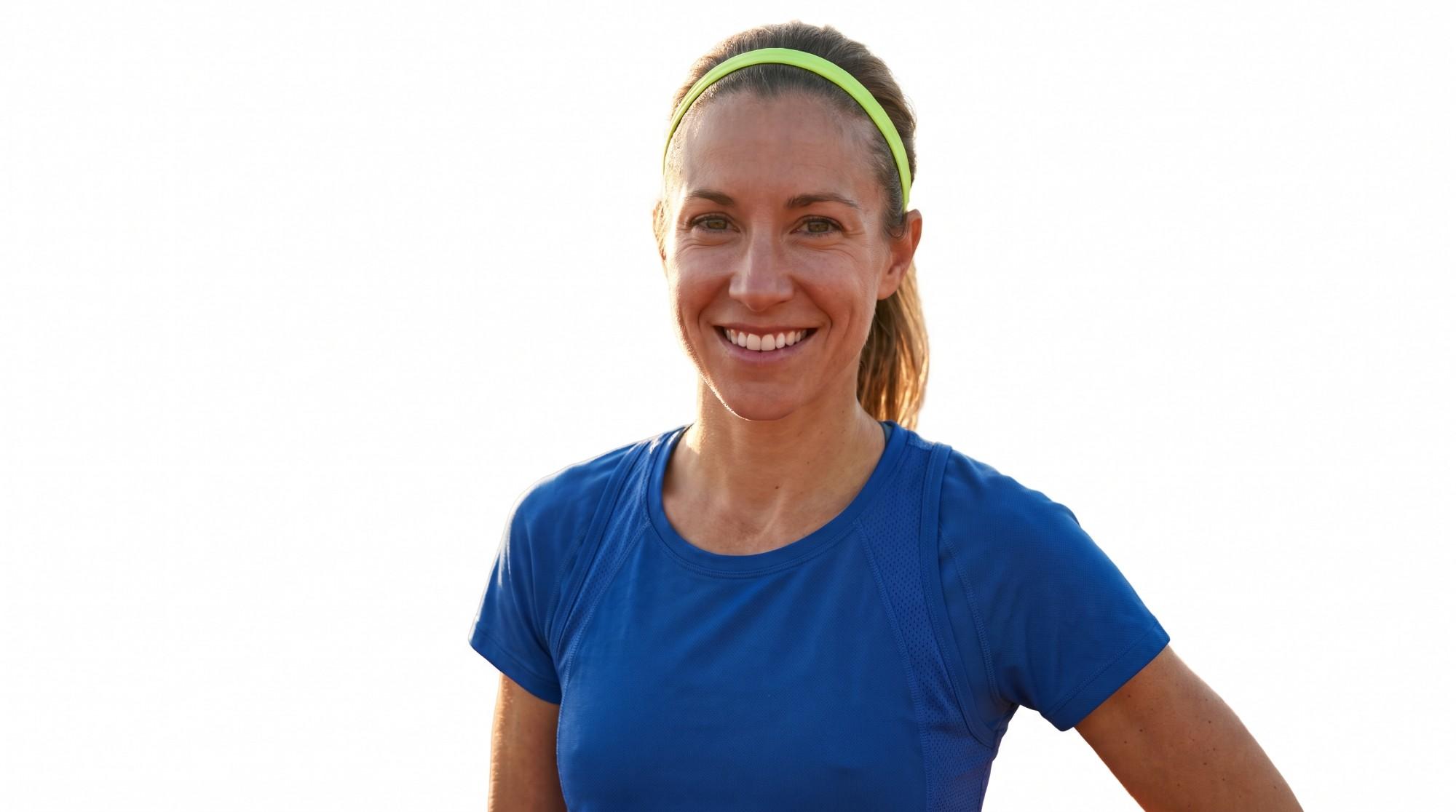
Your AI running coach
I'm Triaform's AI running coach. I look at your stride frame by frame, the way a good running coach would: what you already do well, the one thing to fix first, and a drill you can start this week.
Tria is an AI. Her feedback is coaching, not medical advice.
What the pros do
Elite runners and their coaches use motion analysis to find small changes in how they move. Until now that meant a lab, special cameras and an appointment. Triaform gives you the same kind of look with the phone in your pocket.
In a lab
With Triaform
Why runners trust it
We look at a few still frames and don't store them. No account needed.
No vague “great form”. Each finding points to the frame where you can see it yourself.
If something looks like an injury risk, Tria tells you to see a physiotherapist. She never guesses.
A running form analysis, also called running gait analysis, looks at how you move when you run: where your foot lands, how much your knee bends, your posture, how much you bounce and how your arms swing. Triaform does it from a 15-second side-on phone video. Tria, an AI running coach, reviews 20 still frames and tells you what you do well, what to fix first and which drill helps.
Not for a first check. A lab with high-speed cameras measures exact angles, and a running shop mostly looks at your feet to choose shoes. Triaform looks at your whole running form from your own phone video, on a treadmill, a track or a flat path. If something hurts, see a physiotherapist.
No. Triaform runs in your phone's browser. Open triaform.com, tap “Upload your video” and pick or record a clip. Your video stays on your phone.
Nobody. It stays on your phone. We only send a few still frames for the analysis and don't store them.
Tria is Triaform's AI running coach, not a real person. She was trained to give feedback the way a good running coach would, from still frames of your run.
A phone, and someone or something to hold it steady. A treadmill is ideal, but a track or a flat path works too.
The first look is free. The full analysis is part of the Triaform membership, and you see the price before you pay.
At the start of your training block, then every 3 to 4 weeks to see what has changed. Triathletes: also film once right after a bike session, when your legs are tired.
That depends on where you start. Form changes take a few weeks of regular drills before they feel natural. Film again after three or four weeks and compare.
No. Coaching feedback only. If something hurts, see a professional.
Your race is coming. 15 seconds of video, Tria's read in about a minute. Free first look, no sign-up.